A cracked panel, fogged glass, or an outdated storefront changes how people see your business before they ever reach the door. Storefront glass installation is not just a finish detail. It affects visibility, security, energy performance, and the overall impression your property makes every day.
For business owners and property managers, the right storefront system has to do more than look clean. It needs to fit the building correctly, meet code, hold up to weather and traffic, and support the way the space actually operates. That is where experience matters. A storefront that looks good on day one but develops leaks, alignment issues, or door problems a few months later was not installed properly.
What storefront glass installation really includes
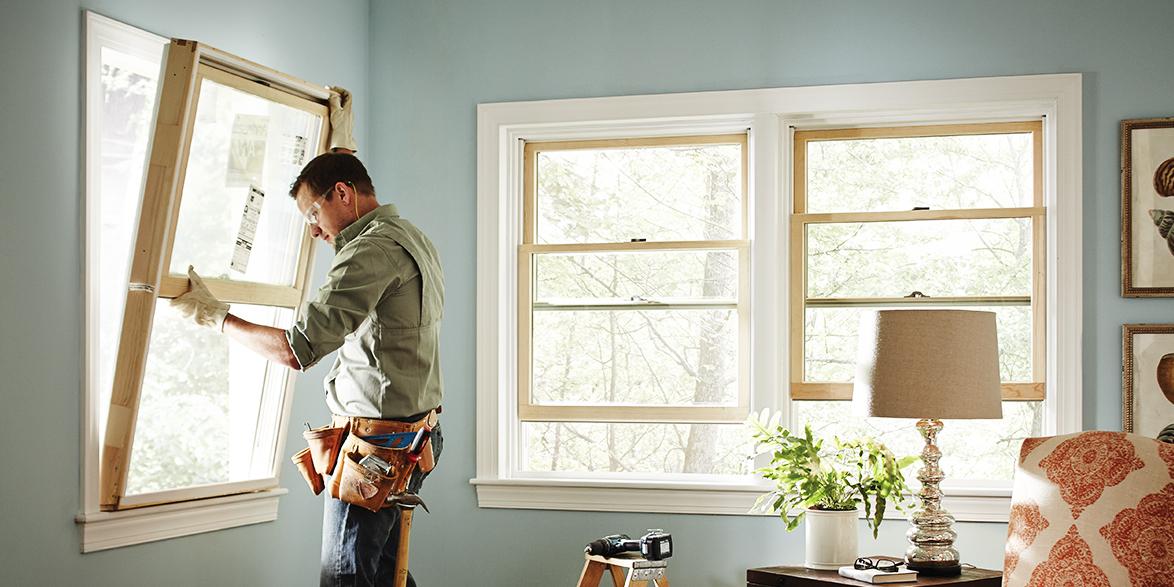
Many people picture storefront glass installation as simply setting large panes into a frame. In practice, the job is more involved. It starts with measuring the opening accurately, checking the condition of the surrounding structure, and confirming what type of system the space needs.
Some storefronts are built around aluminum framing with large glass sections and a glass entry door. Others include sidelites, transoms, insulated glass units, safety glazing, or custom hardware. Depending on the property, the project may also involve replacing damaged sections while keeping part of the existing system, which takes careful matching and clean execution.
That is why there is rarely a one-size-fits-all answer. A retail shop, office entry, restaurant, salon, and mixed-use commercial building may all need different solutions even if the openings look similar at first glance.
Why the installation matters as much as the glass
Good materials can still perform poorly if the installation is rushed. Storefront systems depend on precise alignment, proper anchoring, correct sealants, and careful handling of the glass. Even small mistakes can create bigger problems later.
If the frame is out of square, doors may drag or fail to latch correctly. If the glazing is not seated and sealed properly, water infiltration becomes more likely. If the wrong glass type is used, the storefront may not meet safety requirements or may struggle with heat gain and energy loss.
From a business standpoint, poor installation also creates disruption. Repairs, callbacks, and temporary closures cost time and money. A clean, accurate install helps avoid those issues and gives you a storefront that performs the way it should from the start.
Choosing the right glass for your storefront
The best glass depends on your priorities. Some owners want maximum visibility to display merchandise or create an open, modern look. Others care more about insulation, privacy, impact resistance, or reducing glare.
Tempered safety glass is commonly used because it is designed to break more safely than standard glass. In some applications, laminated glass may make more sense, especially where added security or sound control is important. Insulated glass units can help with energy efficiency, which matters more in storefronts with large glass expanses and direct sun exposure.
Tinted or low-E glass may also be worth considering. These options can improve comfort inside the space and reduce strain on HVAC systems. The trade-off is that darker or more reflective glass can slightly change the look from the street, so the right choice depends on your branding, tenant use, and building conditions.
Visibility vs. performance
This is one of the most common decisions in storefront work. Clear glass gives a bright, open appearance and works well for businesses that rely on curb appeal and product visibility. But in some locations, especially with strong afternoon sun, clear glass may not be the most comfortable or efficient option.
That does not mean you need to give up the look you want. It just means the decision should balance appearance with day-to-day function. A contractor who understands both design and performance can walk you through that choice in practical terms.
Frame systems and door considerations
Glass gets most of the attention, but the framing and door hardware are just as important. Aluminum storefront framing is popular because it is durable, relatively low maintenance, and works well with different glass layouts. Still, frame finish, profile size, and door configuration all affect the final result.
For example, a narrow stile door can create a more modern look, while a heavier commercial door may be better for high-traffic spaces. Closers, pivots, panic hardware, and thresholds need to be selected based on how the entrance is used. A storefront that serves a busy retail location has different demands than one used mainly by office staff.
This is another area where shortcuts tend to show up later. Door issues are one of the most frustrating problems for property owners because they affect daily use immediately. Proper storefront glass installation includes making sure the full entry system works smoothly, not just that the glass looks straight.
When replacement is better than repair
Not every storefront problem requires a full replacement. In some cases, a cracked glass panel, failed insulated unit, damaged door closer, or worn seal can be repaired without rebuilding the entire system. That can be the smarter option if the frame is still in good condition and replacement parts are available.
But there are times when repair only delays a larger issue. If the framing is failing, the system no longer meets your needs, or repeated repairs are adding up, replacement may be the better investment. Older storefronts can also suffer from mismatched components, poor prior workmanship, or outdated appearance that hurts the property visually.
A good contractor should be honest about that line. Pushing a full replacement when a repair would do is not helpful. Neither is patching a failing system that will keep causing problems. The right recommendation depends on condition, budget, timeline, and long-term plans for the property.
What to expect during a storefront glass installation project
A professional project should feel organized from the first visit. That starts with a site assessment, clear measurements, and a conversation about goals. Are you replacing broken glass quickly? Upgrading the front of a tenant space? Improving the look of a building before leasing it? The answer shapes the approach.
After that comes material selection, fabrication, and scheduling. Custom glass and framing often need lead time, so realistic communication matters. Once installation begins, the crew should protect surrounding finishes, remove damaged or outdated components carefully, and install the new system with attention to fit and finish.
For occupied commercial spaces, timing is also a major factor. Minimizing disruption is part of good service. In many cases, fast turnaround and clean work matter almost as much as the product itself, especially when businesses need to stay open or reopen quickly.
How to choose the right installer
Storefront work is specialized. Not every general contractor or handyman is equipped for it. Commercial glass systems require accurate field measurement, knowledge of safety requirements, experience with hardware, and a clean installation process.
When comparing companies, look for responsiveness, clear communication, and a track record with both custom glass and commercial projects. Ask practical questions. Will they inspect the surrounding condition before quoting? Can they explain what glass and frame options make sense for your property? Do they handle both fabrication coordination and installation? Those answers usually tell you a lot.
It also helps to work with a company that treats the project like more than a transaction. Family-run businesses often stand out here because accountability is personal. At Vlad’s Mirror & Glass, that hands-on approach is a big part of what customers value, especially when timing, appearance, and workmanship all matter.
Storefront glass installation and long-term value
A storefront is one of the few building features that affects first impressions, daily function, and ongoing maintenance all at once. When done well, it makes the property look sharper, helps the space operate better, and reduces the chances of recurring issues.
That does not always mean choosing the most expensive glass or the most elaborate system. It means choosing what fits the building, the business, and the traffic the entrance sees every day. Sometimes the smartest move is a simple, well-executed replacement. Other times it is a full upgrade that improves both appearance and performance.
If you are planning storefront glass installation, the best next step is not guessing from the sidewalk. It is getting a clear assessment from someone who can measure the space, explain your options plainly, and install the system with the precision your property deserves.
A storefront should invite people in, not give you another problem to manage.